About Us
The Beginning
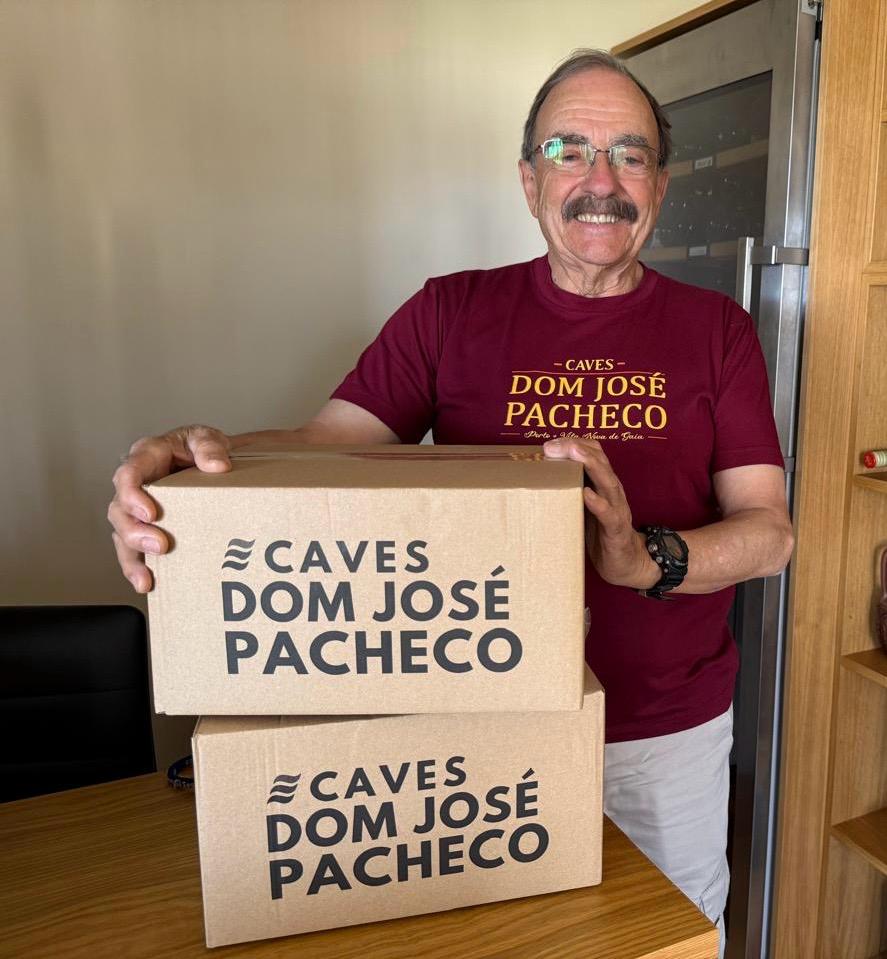
As a child in the 1950s, it was by reading a small dictionary published by the Portuguese bookshop Livraria Lello that the lawyer José Ernani Pacheco began to learn about Portuguese history and geography, especially the Douro and Porto region, where his most distant grandparents came from. All that information sparked his curiosity to get to know Portugal and, over time, his fondness and passion for the country only grew.
Born in 1945 in a place called Fazenda Cascata de Santa Cruz, in the interior of Paraná, and founder of Juruá Editora, Dr José Pacheco decided more than 15 years ago, as if returning to the origins of his ancestors, to set up a branch of the publishing house in Portugal. While there, besides his esteem for the country, he also developed a deep love of Portuguese wines and, together with his partners and skilled Portuguese winemakers, decided to take part in the enchanting world of wine and found Caves Dom José Pacheco, creating premium labels for consumers with a discerning palate. The Caves are located in Vila Nova de Gaia/Porto, an iconic city in the history and world of wine, where the wines produced in the Douro Valley, in Portugal, are stored. The Douro is considered one of the most important and famous wine regions in the world.
The Douro
Portugal is a country with a long tradition of winemaking. Wine, enjoyed around the world for centuries, is made here from traditional grape varieties, most of which are found nowhere else in the world. These are distinctive wines, with unique aromas, great personality and, above all, reliability and excellent quality.
The country has a climate that is extremely favourable for growing vines and has several wine regions, among them the Douro Valley, the location chosen by Caves Dom José Pacheco to produce its wines.
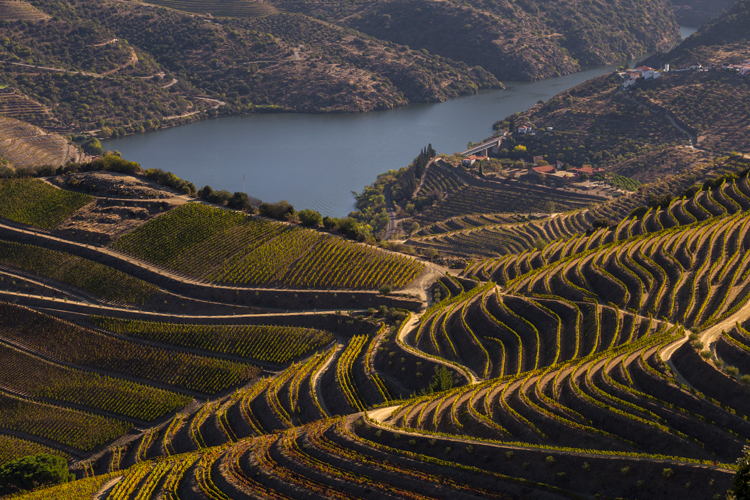
The Douro lies in the north-east of Portugal, bordering Spain. The region takes its name from the River Douro, which runs through it and is 897 km long, 213 km of which are in Portuguese territory. It enchants every visitor with the stunning beauty of its landscapes, terraced vineyards, villages, traditions and stories.
This was the first wine region in the world to be demarcated and regulated, in 1756, and it is now a UNESCO World Heritage Site. It also offers extraordinarily good conditions for growing wine grapes and produces not only Port wine but also highly regarded still and dry wines.
The Douro region is divided into three sub-regions, the Baixo Corgo, the Cima Corgo and the Douro Superior, each with its own climate and soil characteristics that shape the profile of the wines produced. The most widely grown grape varieties in these regions are Touriga Nacional, Touriga Franca, Tinta Roriz, Tinta Barroca, Tinto Cão, Tinta Amarela, Sousão, Bastardo, Mourisco Tinto, Castelão, Rufete, Tinta Francisca, Donzelinho, Gouveio, Rabigato, Viosinho, Moscatel Galego, Malvasia Fina, Donzelinho Branco, Esgana-Cão, Folgazão and Códega do Larinho, and there are also many old vines. No country in the world has a range of native grape varieties comparable to Portugal’s.
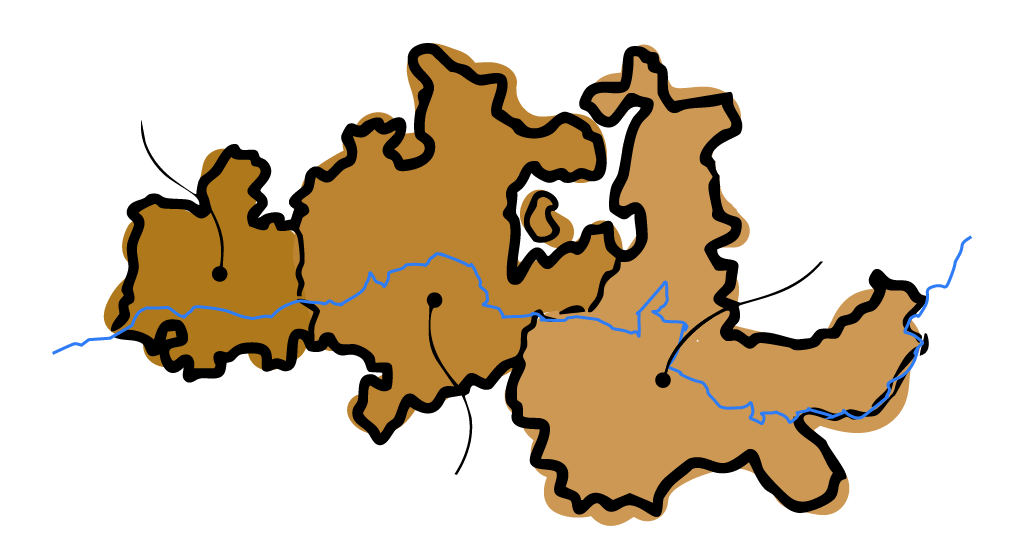
Wine characteristics: Because of the higher rainfall and the maritime influence, the Baixo Corgo has vineyards with higher yields. The wines tend to be lighter and to mature earlier. They are known for being more approachable in structure and complexity than those from the drier and warmer areas.
Wine characteristics: With less rain and schist soil, the grapes ripen with a higher concentration of sugars and phenolic compounds, resulting in more elegant, structured wines with great ageing potential. This is the area with the largest concentration of historic, high-quality vineyards.
Climate: The hottest and driest of the three sub-regions, with high summer temperatures and a more continental climate, with little Atlantic influence.
Wine characteristics: The hot, dry conditions favour dense, powerful wines. Lower humidity and high temperatures produce grapes with a greater concentration of flavours and tannins, leading to robust wines with great structure.
Terroir
The world of wine is fascinating for everything it brings together, history, geography, climate, soil and production methods. These elements make up the terroir, a French term for the set of factors that determine how the vine is grown and how the wine is made.
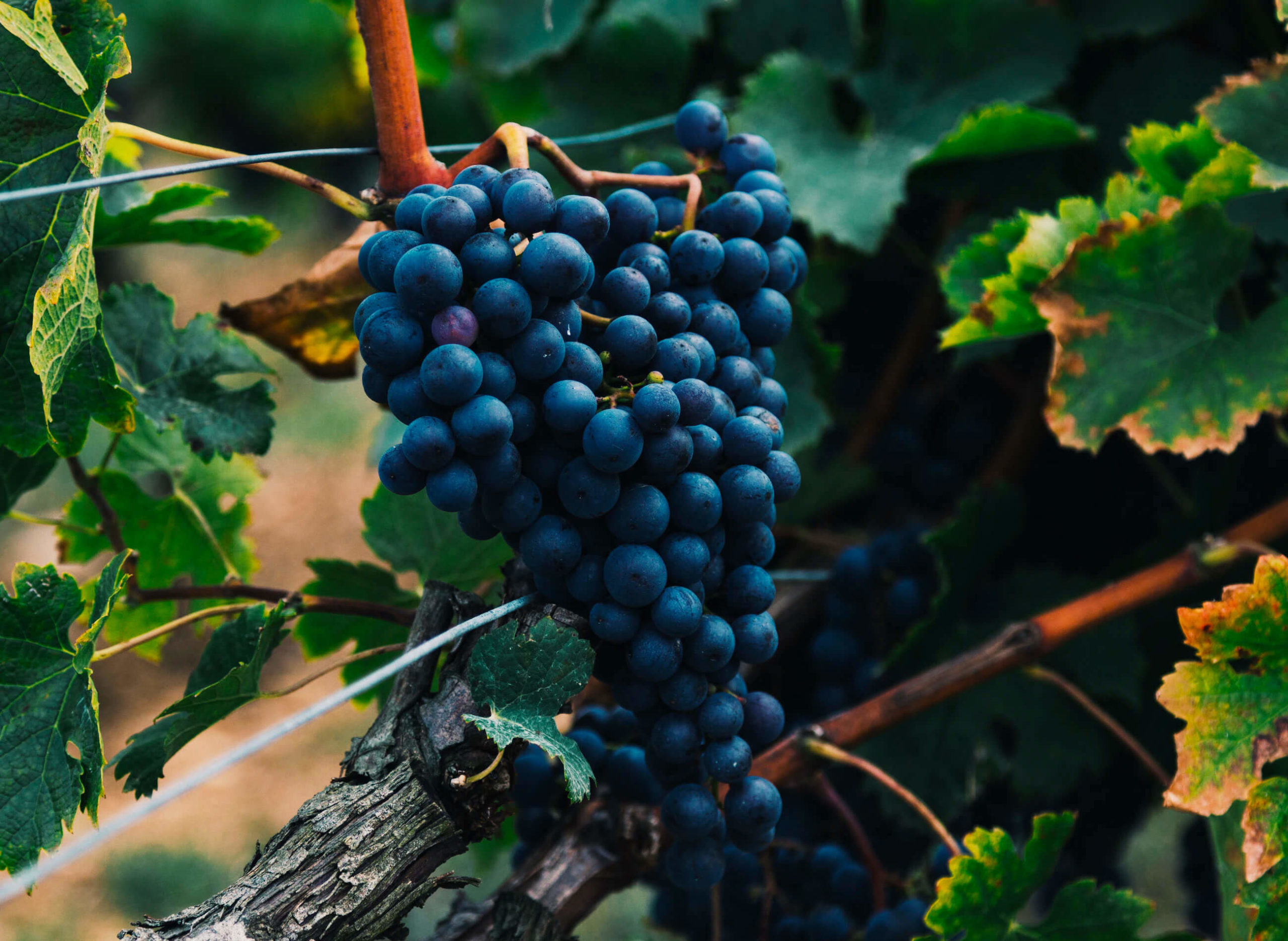
Many Douro grape varieties, such as Touriga Nacional, Touriga Franca and Tinta Roriz, have compact bunches and small berries, which give a more concentrated must and deep colour, contributing to wines with intense, complex flavours. The concentration of pigments and tannins is also responsible for the deep colour and robust structure of the wines.
Schist soil is one of the key elements of Douro viticulture. Made up mainly of schist, a fine-grained rock rich in organic matter, this soil is excellent for vines thanks to its ability to retain heat and water. It warms up quickly during the day and releases heat at night, helping the grapes to ripen evenly and fully. Schist also drains well, preventing excess water that could harm the quality of the grapes.
The Douro region has a Mediterranean climate with relatively dry winters and hot, dry summers. The river brings concentration and the altitude brings freshness. These conditions help to concentrate the flavours of the grapes, resulting in wines with rich flavour and firm structure.
All these factors combined mean that Douro wines are prized for their intensity, complexity and richness.
We invite you to taste our wines from the Douro. You can expect labels with a truly unique expression of terroir, with marked differences in flavour, structure and complexity, and the surprising quality of this fascinating region.